
Expert Guide to Business Phone Systems in Mokena, Illinois Searching for a quality business phone system in Mokena, Illinois?
Considering a professional business phone system in Mokena, Illinois?
This article covers everything you need to know about choosing the perfect communication solution for your company.
What Are Business Phone Systems?
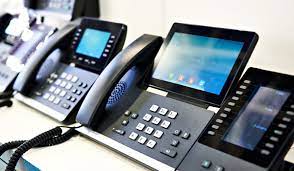 Enterprise communication systems are advanced telecommunications technologies designed to facilitate several calls simultaneously while delivering capabilities that improve efficiency. In contrast to conventional residential phone lines, today’s business phone platforms merge voice, conferencing, and communication tools into a single platform.
Types of Business Phone Systems Offered in Mokena, Illinois
VoIP Phone Systems Internet-based systems transmit communications over the internet rather than traditional phone lines.
These systems provide: – Lower ongoing costs – Scalability as your business grows – Mobile workforce capabilities – Sophisticated capabilities like voice analytics – Integration with CRM applications
Traditional PBX Systems Private Branch Exchange systems utilize physical infrastructure located at your office. Although PBX solutions require significant upfront investment, they provide: – Full ownership over your system – Zero dependence on internet connectivity – Reliable infrastructure – Better security for confidential communications
Key Features to Look For As you choosing a business phone system in Mokena, Illinois, look for these critical features:
Auto Attendant An digital receptionist welcomes clients and transfers them to the right extension without staff intervention. Call Routing and Routing Verify phone traffic reach the correct team member whether their location. Voicemail to Email Receive voicemail recordings as digital recordings, enabling quicker follow-up times. Conference Calling Host team calls with customers and staff easily. Call Analytics and Reporting Monitor phone statistics, times, and patterns to improve performance. Mobile Integration Let staff to place and take company calls from their cell smartphones.
Benefits of Upgrading Your Business Phone System Budget Savings Contemporary systems typically run substantially less than conventional telephone services, especially for out-of-state calls. Enhanced Client Service Features like voice routing, VM notifications, and business software integration help your staff offer superior customer service. Greater Productivity Unified communications reduce the requirement to juggle several platforms, maximizing precious time. Growth Incorporate new lines easily without expensive equipment upgrades. Professional Continuity Cloud-based systems ensure your business stays operational during emergencies or weather-related disasters.
Selecting the Right Company in Mokena, Illinois
Local Assistance Choose a company with local support staff who know Mokena, Illinois market conditions.
Dependability and Service Level SLAs
Seek providers offering 99.9% uptime SLAs and failover systems.
Transparent Pricing
Watch out for unexpected fees. Reliable companies provide clear pricing plans with no unexpected charges.
Connectivity Capabilities
Confirm the solution works with your current software, such as business platforms, communication systems, and workforce messaging tools.
Support and Support
Comprehensive training guarantees your staff knows how to use all solution features efficiently.
Implementation Process
Assessment
A qualified technician will evaluate your current setup and company requirements.
System Design
Using your needs, the company develops a tailored solution.
Installation
Trained installers install and configure your equipment, ensuring minimal downtime to business.
Onboarding
Complete onboarding helps your staff can utilize all solution features effectively.
Installation Process Assessment A professional technician will analyze your present setup and company goals.
System Design From your specifications, the vendor designs a tailored configuration.
Setup Professional specialists set up and configure your system, ensuring reduced interference to operations.
Training
Comprehensive education programs ensure your employees can use all features.
Testing Rigorous validation confirms the platform operates correctly before switching live.
Pricing Considerations Upfront Investment – VoIP systems: $100-300 per line – Traditional PBX: $800-1,500+ per user –
Installation charges: varies based on complexity complexity Recurring Fees – VoIP services: $30-70 per user/monthly – Traditional lines: $50-100 per extension/monthly – Service plans: $150-400/mo
Industry-Specific Systems Healthcare Offices Medical-secure platforms with secure messaging and patient management capabilities.
Law Offices
Tools like call recording, client tracking integration, and secure communications.
Commerce Stores
Multi-location support, caller queue systems, and POS system integration.
Real Estate Firms Mobile functionality, virtual lines, and prospect management integration.
Manufacturing Companies Facility PA systems, emergency notifications, and coordination management.
Typical Errors to Avoid Not considering Future Growth Pick a platform that can scale with your organization. Prioritizing Solely on Price The cheapest option may lack critical features or offer inadequate support.
Forgetting Training Poor instruction causes wasted investment of platform features. Skipping Connectivity Needs Ensure your selected platform works with present tools. Not conducting Testing Phases Always utilize a demo period prior to finalizing to a multi-year contract.
Taking Action in Mokena, Illinois Looking to transform your organization phone system?
Take these steps:
1. Analyze your existing system and identify pain points
2. Define your critical features and budget
3. Compare regional providers specializing in commercial phone systems
4. Schedule demonstrations from several vendors
5. Examine client reviews and case studies
6. Negotiate agreements and deployment timelines Summary
Committing in the proper business phone system enhances how your Mokena, Illinois company operates.
Whether you opt for VoIP systems, emphasize functionality that match with your specific requirements and growth plans.
An effective platform not only process calls-it creates a smooth collaboration platform that supports productivity, improves customer experience, and supports your business mission.
Connect with Mokena business phone system providers today to explore the ways modern communication technology can benefit your company.
 As we approach 2024 we believe we will see more and more businesses follow these trends to enhance hey way their companies operate going forward